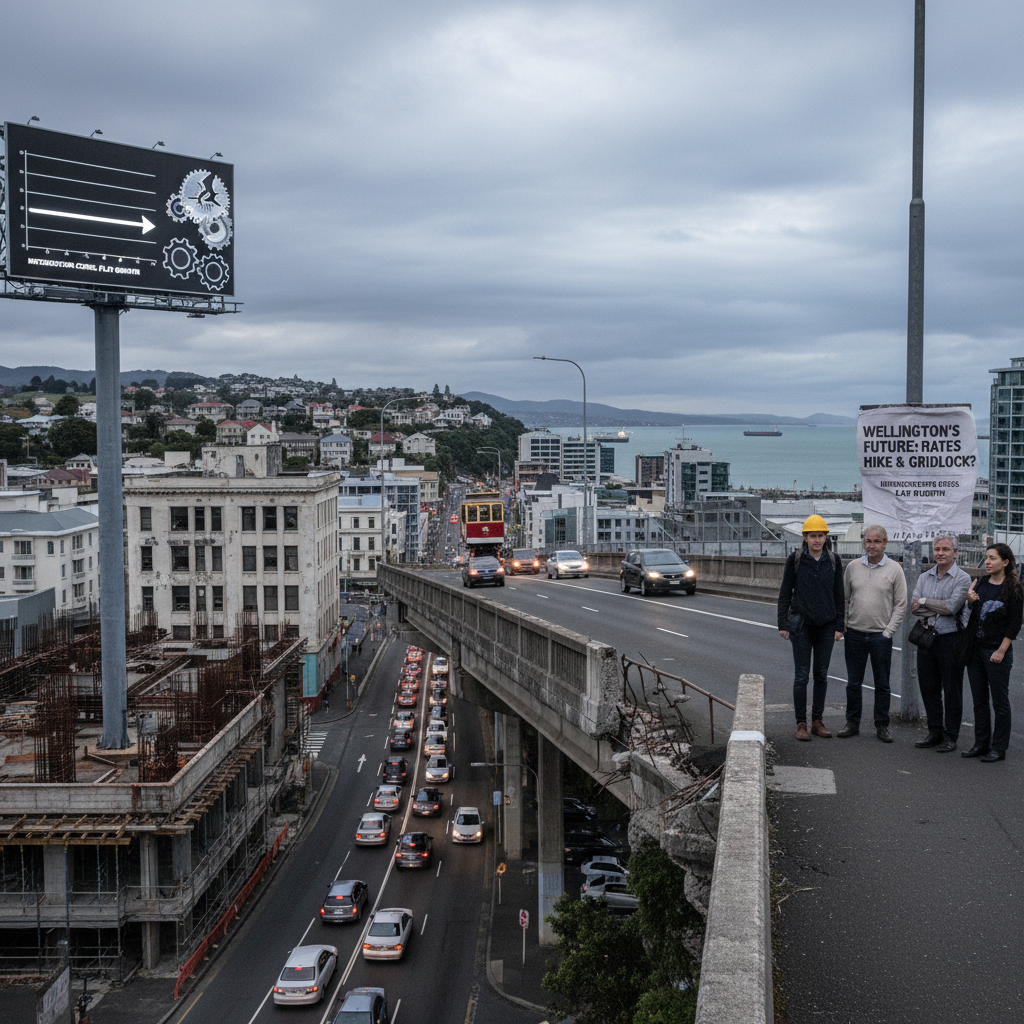
Wellington is a city of two tales. On one hand, it remains a celebrated place to live, cherished by its residents. On the other, it's a capital city at a crossroads, grappling with rampant complaints of soaring rates, failing infrastructure, shuttered businesses, and a population that has stalled.
The challenges are undeniable and frequently voiced. Yet, according to the Wellington City Council’s own residents monitoring survey, most Wellingtonians still believe their city is a good place to live. The question confronting the capital, however, is whether 'good' is good enough, or if it's time to dream bigger.
International urban planning expert Alain Bertaud, speaking on a recent visit, suggested the essence of a city lies not merely in jobs, but in its amenities. Using the newly reopened central library as an example, he noted, “The core of a city is not the number of jobs. It's amenities, like the museum, the library, cafes.”
This sentiment is reflected in recent public consultation. A Vision for Wellington survey found residents’ top priorities are maintaining and renewing core infrastructure (93%), improving safety in the city (88%), and enhancing affordability (86%). These fundamental needs, from working streetlights to graffiti removal, currently overshadow more ambitious projects.
A supercity solution?
One of the most significant proposals being debated is the amalgamation of the region's councils into a 'supercity'. As of February 2026, a joint working group comprising the Greater Wellington Regional Council and mayors from Wellington, Porirua, and the Hutt Valley is actively investigating a 'Regional Reorganisation Plan' spurred by central government reforms.
The proposed merger would unite Wellington, Porirua, Lower Hutt, and Upper Hutt councils into a single entity, a move proponents argue would create a more coordinated and powerful voice for the region. Porirua’s mayor, Anita Baker, is a vocal supporter, stating bluntly that the region's fortunes are intertwined.
Baker argues amalgamation makes economic sense, allowing the region to present a unified front when seeking government funding, rather than competing against each other. It could also streamline council operations, freeing up ratepayer money for other essential services. “We already get together for things like emergency management. Why shouldn’t we do that for everything?” she asks. However, the path to a supercity is not clear. Kāpiti remains opposed to the idea, while Upper Hutt has adopted a more cautious stance. The ultimate decision could fall to voters in a referendum during the next local body elections.
A crisis of confidence
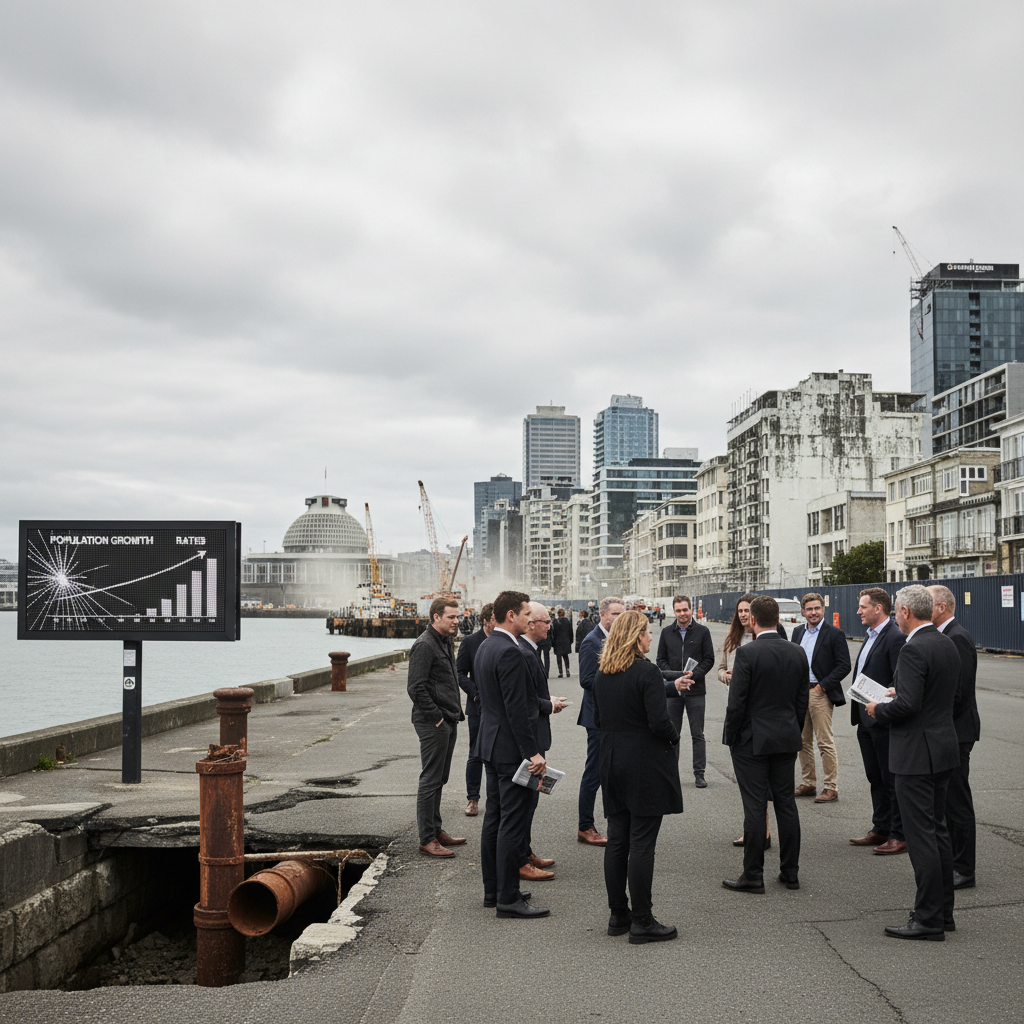
Beyond structural changes, some experts believe the city is facing a crisis of confidence. First Retail’s Chris Wilkinson suggests Wellington has “forgotten how to champion itself,” adding that a sense of collective pride has been missing for some time. “I think people haven’t felt proud of Wellington for a while,” he said.
Wilkinson believes the city’s strong creative sector needs to be brought to the forefront again, and that areas like Te Aro and Courtenay Place need “some love” to bring vibrancy back to the city centre. He points to the development of distinct business precincts and the revitalisation of key sites like the Reading complex in Courtenay Place as crucial steps. The recent reopening of the Civic Square and the central library have already breathed new life into their respective areas, creating hubs for community activity. For those looking for inspiration, the ultimate guide to things to do in Wellington highlights the city's existing attractions.
WellingtonNZ chief executive Mark Oldershaw echoes this, stating the focus must be on attracting people through both jobs and major events. He argues the city needs to “double down” on its strengths in the creative sector, events, and secure long-term businesses. Recent sellout events, like the Ultra music festival which drew 23,000 people, and a sold-out Anzac Day Warriors game, demonstrate the city's capacity to host and the significant economic benefits that follow. “We were always more than being a public sector town,” Oldershaw says, pushing back against a common label. “We will always have a high proportion around the government and we should embrace it.”
The soul of the city
While infrastructure and economics dominate much of the debate, others are focused on the city’s social fabric. Wellington City Missioner Murray Edridge advocates for a “compassionate city” where no one lives in fear. He believes the mark of a great city is how it cares for its most vulnerable residents.
We are judged by how we treat the most vulnerable. If we allow a gap between the well-resourced and those who don’t have, we are all disadvantaged by that.
Edridge's perfect Wellington is one where the City Mission is no longer needed. Beyond the debates over tunnels and transport, he envisions a simpler, more profound goal. “We already have this wonderful walkable city, now we should be the friendliest city,” he said. This focus on community wellbeing offers a different lens through which to view the city's future, prioritising people over projects.
The city's very name offers a poignant historical parallel. Named after Arthur Wellesley, the first Duke of Wellington, a military commander renowned for his brilliant defensive strategies, as documented by the UK's National Army Museum. Today, the city finds itself in a new kind of defensive battle, not against a foreign army, but against urban decay, economic stagnation, and civic apathy. While bold, futuristic visions of spaceports and waterfront film museums from local architects offer inspiration, the immediate future likely rests on fixing the basics.
The path forward requires a dual approach: a pragmatic commitment to fixing the creaking infrastructure that underpins daily life, and a concerted effort to shed the negativity and rediscover a sense of collective pride. As Mark Oldershaw suggests, the tide may already be turning. “My sense is we are really on the cusp of increased pride and investment in the city,” he says. That optimism, combined with concrete action, may be exactly what Wellington needs to write its next successful chapter.