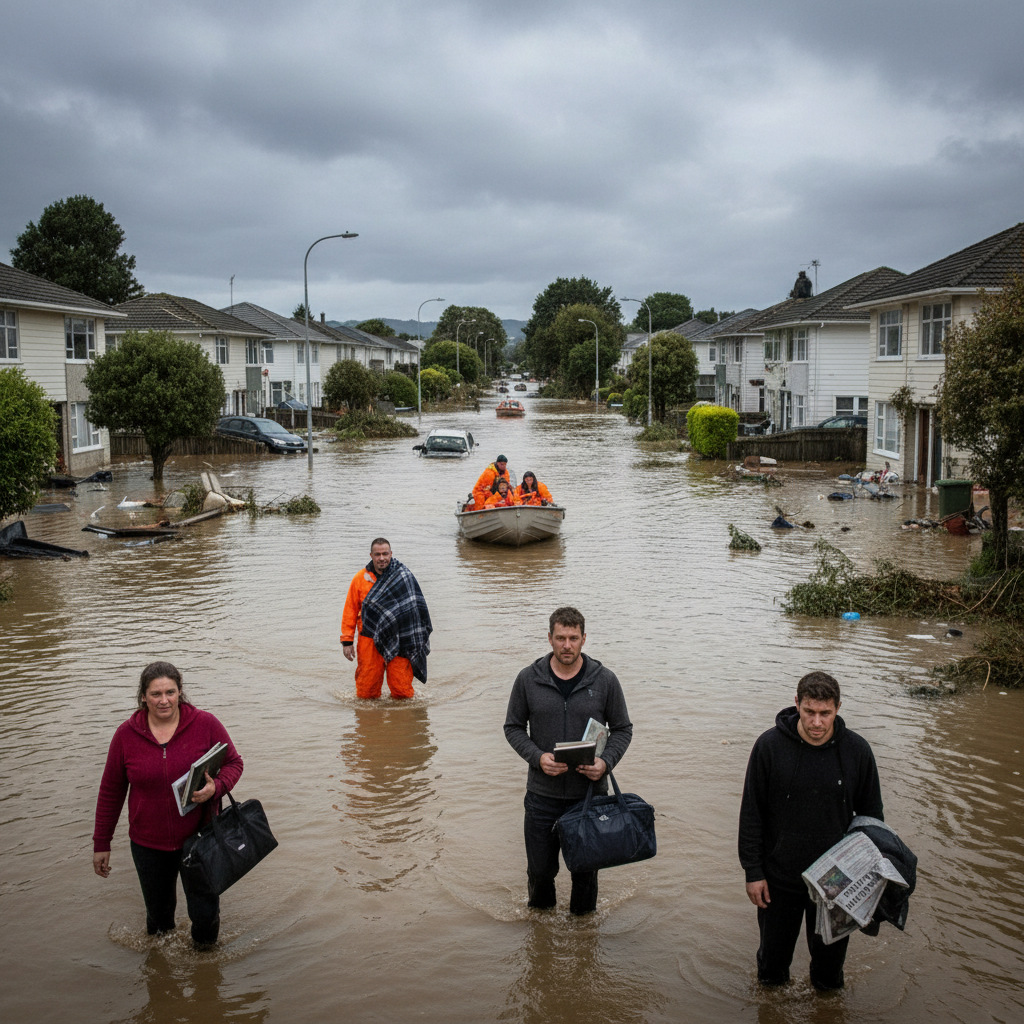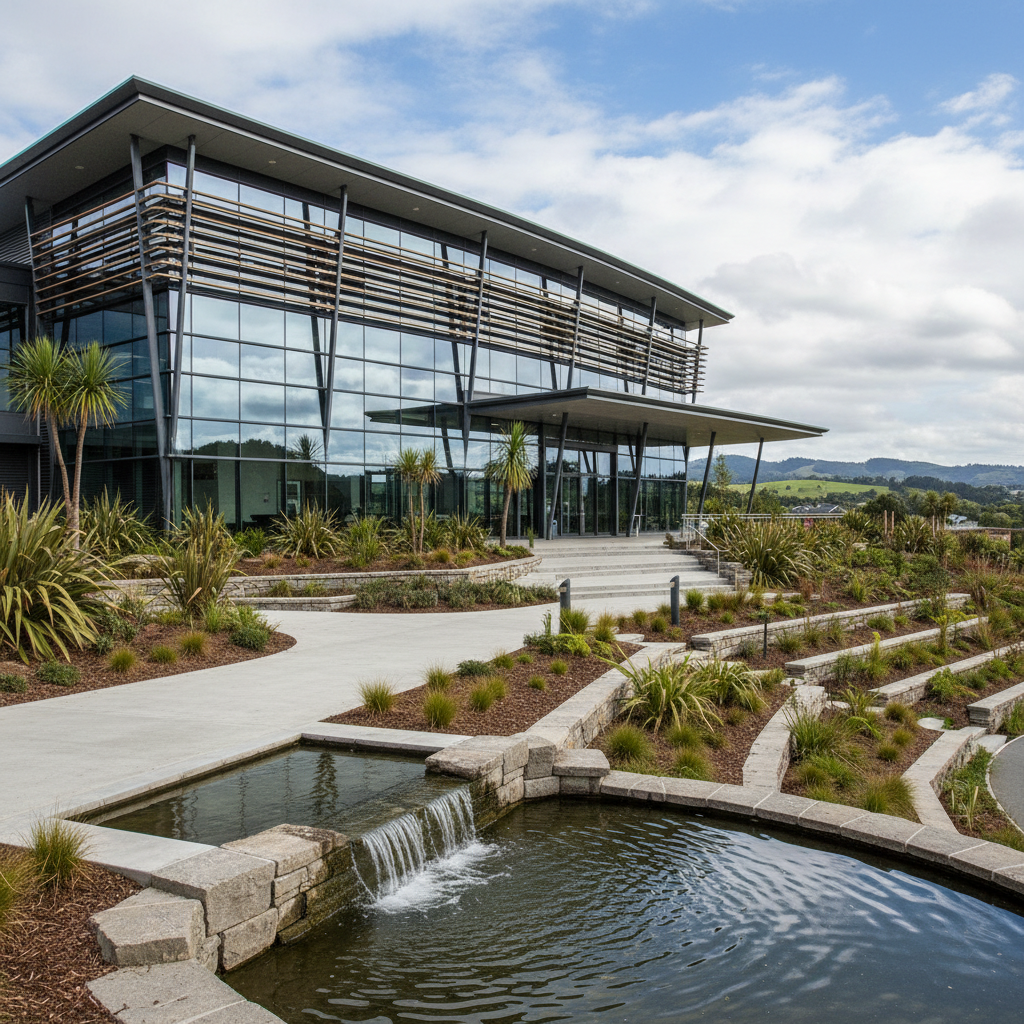
A Wellington early childhood teacher has been left devastated after waist-high floodwaters inundated her school on Monday, destroying everything inside and leaving the centre facing a complete rebuild from the ground up.
Lead teacher Dana McDonald arrived at South Wellington Montessori School in the pre-dawn hours to find the building submerged in contaminated water following a night of torrential rain and thunderstorms. The deluge, which caused widespread flooding and landslips, hit the city's southern suburbs the hardest.
For Ms McDonald, the scene was one of total devastation. She said the floodwaters had contaminated everything within the school, rendering the environment unsafe for children and forcing a gut-wrenching decision to start again from scratch. The loss is not just financial, but deeply personal.
A total loss
The damage to the Montessori school is absolute. Ms McDonald confirmed that everything from the carpets and furniture to the walls themselves will need to be ripped out and replaced. The contaminated water leaves no room for salvage, with health and safety for the children being the primary concern.
This is my livelihood and it's all been taken from us.
"It's all gone. We have to start again," she said, facing the monumental task of rebuilding the beloved community hub. The process is expected to be lengthy and arduous, with an estimated timeline of several months before the school can even consider reopening its doors at its original location.
The immediate priorities are navigating the complexities of an insurance claim and trying to source the necessary funds for the extensive reconstruction. However, an even more pressing concern is finding a way to continue supporting the school's families. The closure has left parents scrambling and threatens the very viability of the business.
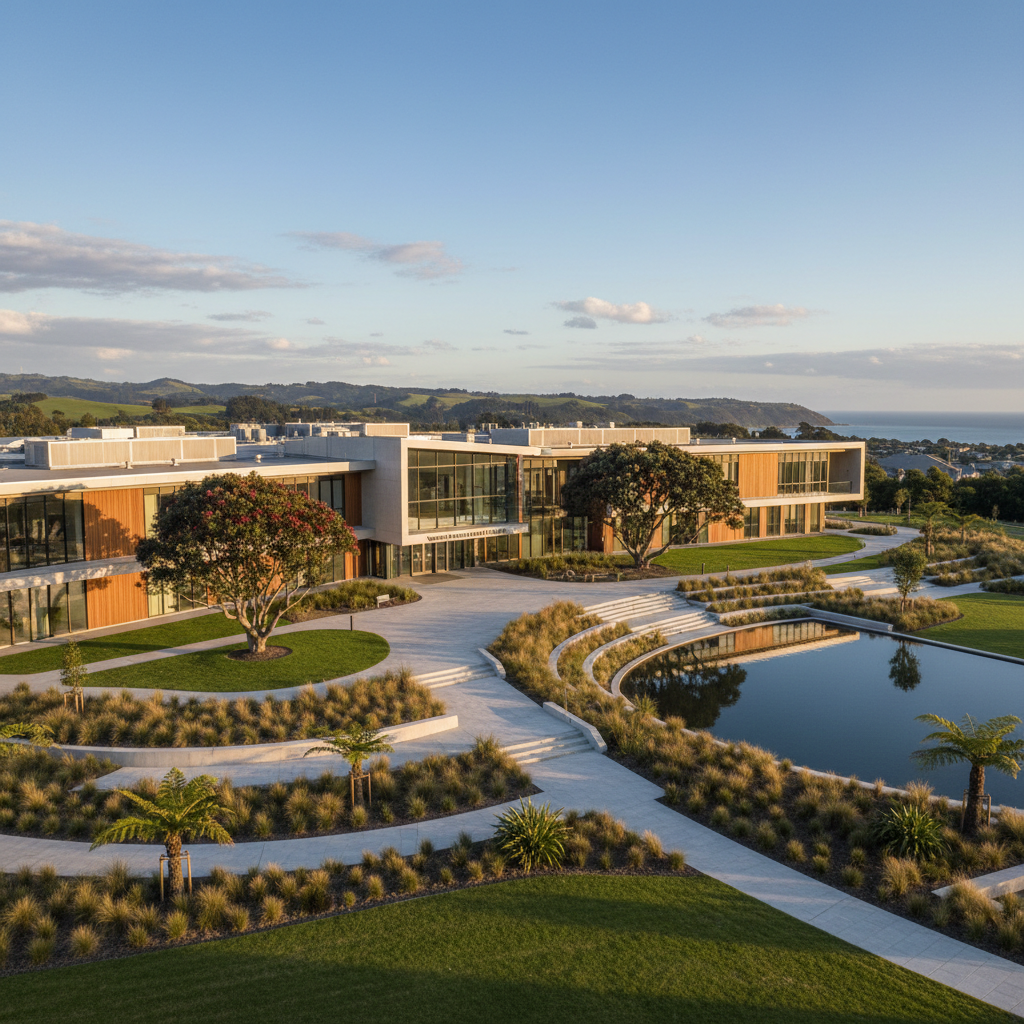
Ms McDonald said if they could not find a way to support their enrolled children and parents soon, they might not have a business to come back to. The school is now urgently searching for a temporary premises, a process that involves its own set of bureaucratic challenges. "We're waiting on the Ministry of Education to do a sign-off and to be able to have another space license," she explained.
A city reeling from floods
The destruction of the South Wellington Montessori School is just one of many heartbreaking stories emerging from the widespread flooding event. Residents across the capital, particularly in southern areas like Island Bay and Ōwhiro Bay, woke on Monday to find their homes and businesses submerged, and streets turned into rivers.
The weather event saw cars lifted onto fences, residents trapped in their homes by metre-high water, and businesses like Island Bay's Unichem pharmacy suffering significant damage to stock and infrastructure. A Wellington City Council spokesperson stated it would likely take several days for officials to gain a complete picture of the damage across the city, as clean-up and assessment efforts continue.
The incident has once again highlighted the city's vulnerability to extreme weather events, a growing concern for residents and officials as they confront the challenges of ageing infrastructure and climate change. Similar issues regarding reform and potential risk have surfaced in Christchurch, where council warns RMA reform puts heritage at risk. These issues are central to the ongoing discussion about Wellington's future development and resilience.
A challenging week for education
The flood damage compounded an already difficult week for some Wellington education providers. In a completely separate incident, several schools and early learning centres across the region were forced to close due to the discovery of asbestos in a brand of play sand sold at Kmart.
Arakura Primary School in Wainuiomata was among those affected, closing five of its eight classrooms. The Ministry of Education was contacted by 167 schools and 95 early learning centres across the country about the contaminated sand products, which were recalled by the Ministry of Business, Innovation and Employment. According to experts, the increasing frequency of such events is a clear indicator of a changing climate, with national bodies like NIWA providing projections on future weather patterns.
While the challenges are immense, Ms McDonald said the response from the school's community has been a source of strength. She noted that the wider Montessori network had been "amazing" in offering assistance. Despite the long and uncertain road ahead, this community backing provides a glimmer of hope.
"We've got a lot of support coming," she said.