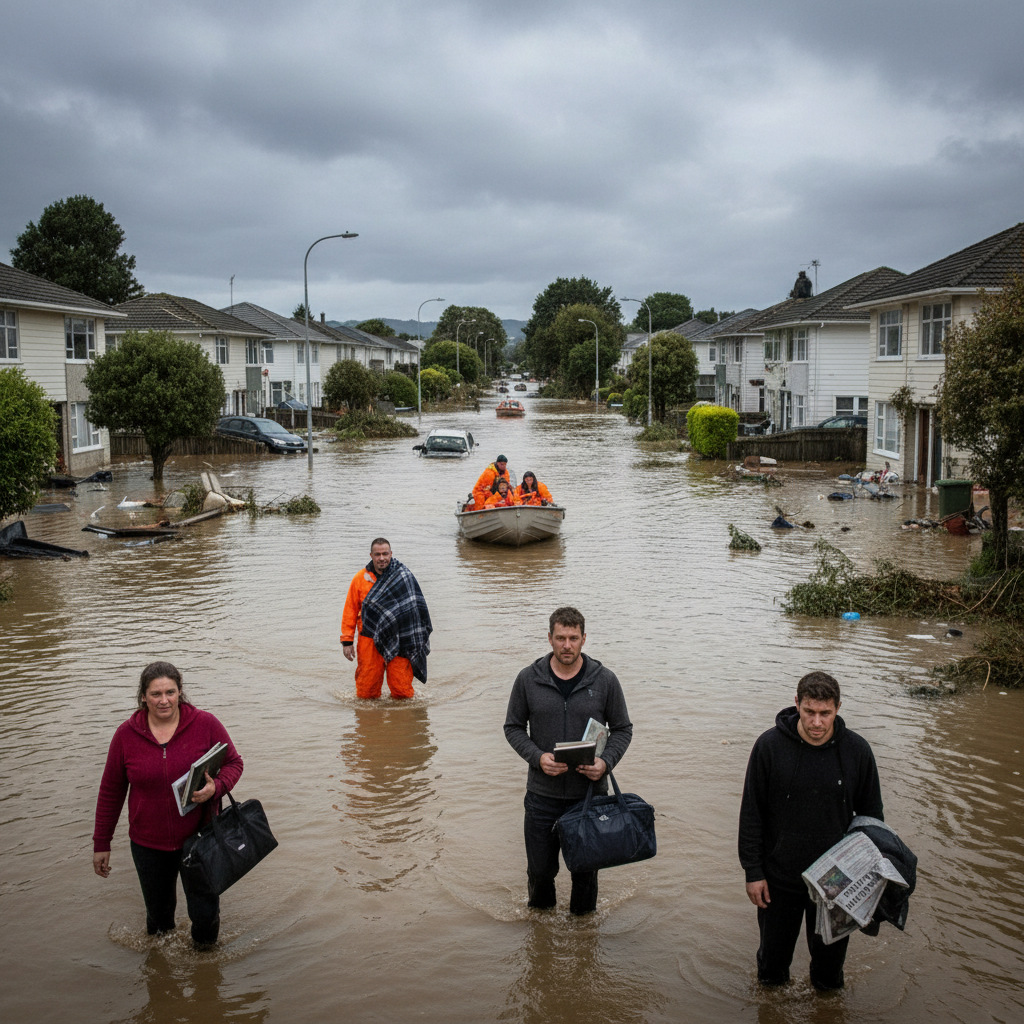
Wellington City Council has declared about 40 homes uninhabitable in the wake of the intense flooding and slips that battered the capital last week, forcing dozens of people into temporary accommodation as the city transitions from emergency response to a long-term recovery effort.
The devastating storm, which saw cars floating down suburban streets and triggered massive landslides, has left a trail of destruction, with homes in several suburbs suffering extensive water and slip damage. Council spokesperson Richard MacLean confirmed that three properties near Vogelmorn have been issued with dangerous building notices due to the risk from slips, rendering them unsafe for residents to return.
In response to the crisis, the Wellington City Mission, working with the council, is providing urgent support to approximately 40 families and individuals displaced by the flooding. These residents are being housed in motels and backpackers across the city as they face an uncertain future. The Mission has also been designated as the primary contact point for those needing to access the Emergency Relief Fund for financial assistance.
A city battered by water and earth
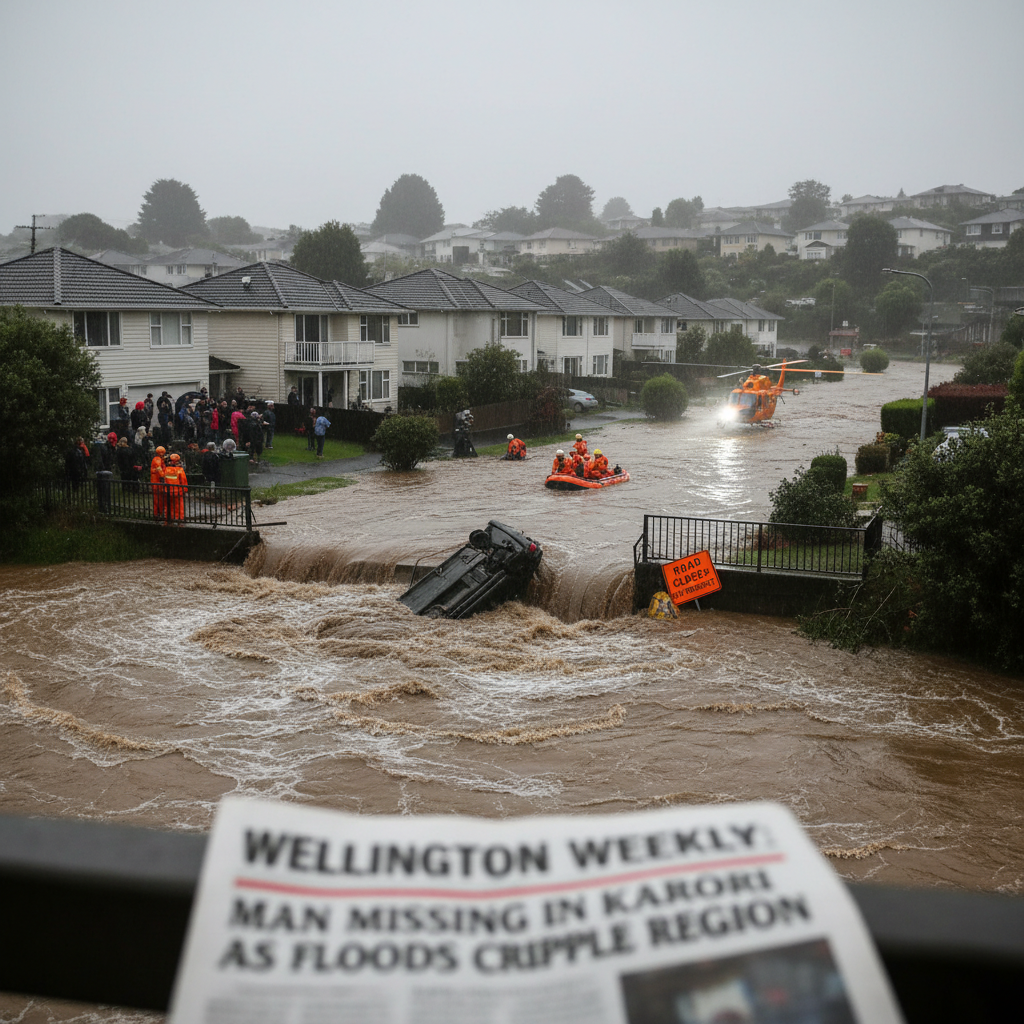
The damage follows a period of extreme weather early last week that overwhelmed parts of the city’s infrastructure. In the suburb of Mount Cook, residents watched as the Papawai Stream escaped its stormwater network, turning Wright Street into a river where about half a dozen cars were seen floating in the torrent. Similar scenes of inundation played out across the capital, including outside the iconic Duckworth Lewis guesthouse.
The storm's impact was not limited to flooding. In Kingston, residents witnessed what they described as an "unbelievable" landslide, which brought a massive volume of earth, rock, and trees down across a local road. The incident highlighted the severe geological instability triggered by the saturated ground.
The human cost of the storm was felt across the city. In one harrowing incident, elderly and blind residents had to be carried from their flooded home on Akatea Street. The search for a man reported missing in the suburb of Karori also hampered recovery efforts, after his property was inundated with floodwaters and debris.
The long clean-up begins
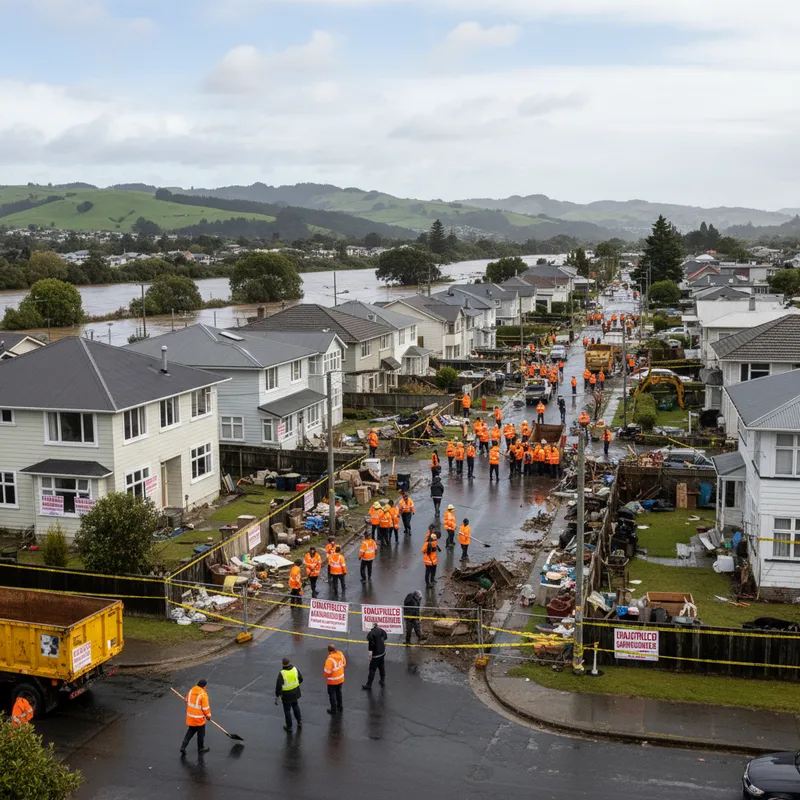
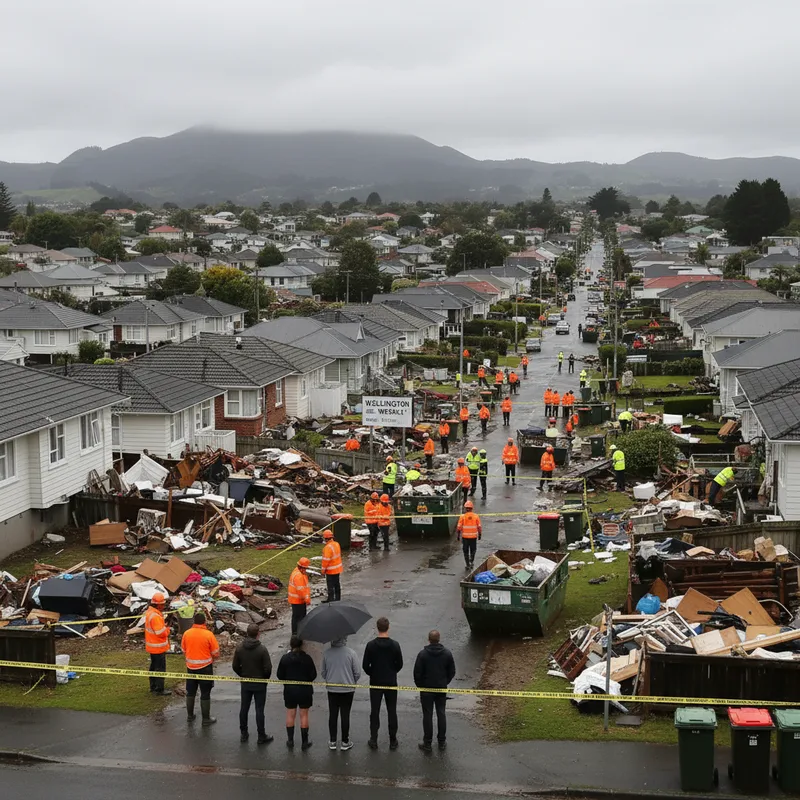
With the immediate threat having passed, the council is now overseeing a massive clean-up operation. Between 500 and 700 one-tonne flood waste bags have been distributed throughout affected suburbs for residents to dispose of ruined belongings and water-damaged materials. A free collection service for these bags, as well as larger items like destroyed furniture and whiteware, is expected to continue into next week.
Nearly 30 tonnes of waste have already been transported from the temporarily reopened Maranui Depot in Lyall Bay to the Southern Landfill. Mr MacLean says "many truckloads" of larger items are also being collected from roadsides, signalling the immense scale of the material loss.
It will take quite a few days to get through the stuff that's left on the road side," Mr MacLean said. "In places like Emerson Street. which was hit hard. we've cleaned stuff up from that street but we'll keep coming back.
The council has officially moved from an "emergency response to a recovery footing," though its Emergency Operations Centre will remain open to coordinate the ongoing efforts. This phase involves not just waste removal but also providing sustained support for those whose lives have been upended.
Support for struggling residents
Mr MacLean urged anyone struggling to cope with the flood's aftermath, particularly those without insurance, to seek help. "A lot are being looked after by insurance but we suspect there will be quite a lot of other business and homes [affected]. If people are struggling they should get in touch with the Wellington City Mission," he said.
The recent event brings back memories of previous devastating floods, prompting fresh concerns about the city's resilience to increasingly severe weather patterns. In past years, the city has been forced to establish significant relief funds, such as a mayoral fund to handle massive storm damage bills, highlighting a recurring vulnerability that continues to test the capital.
As the clean-up continues, the focus for many remains on the immense task of rebuilding. The sight of ruined possessions piled on footpaths in suburbs like Mornington and Emerson Street serves as a stark reminder of the storm’s power and the long road to recovery that lies ahead for dozens of Wellingtonians.