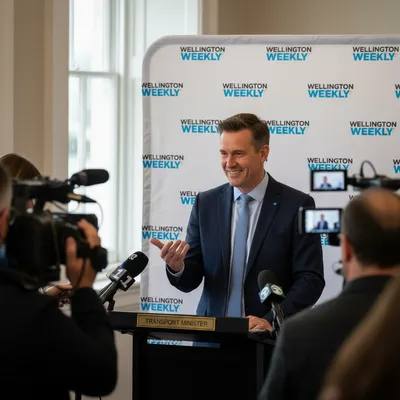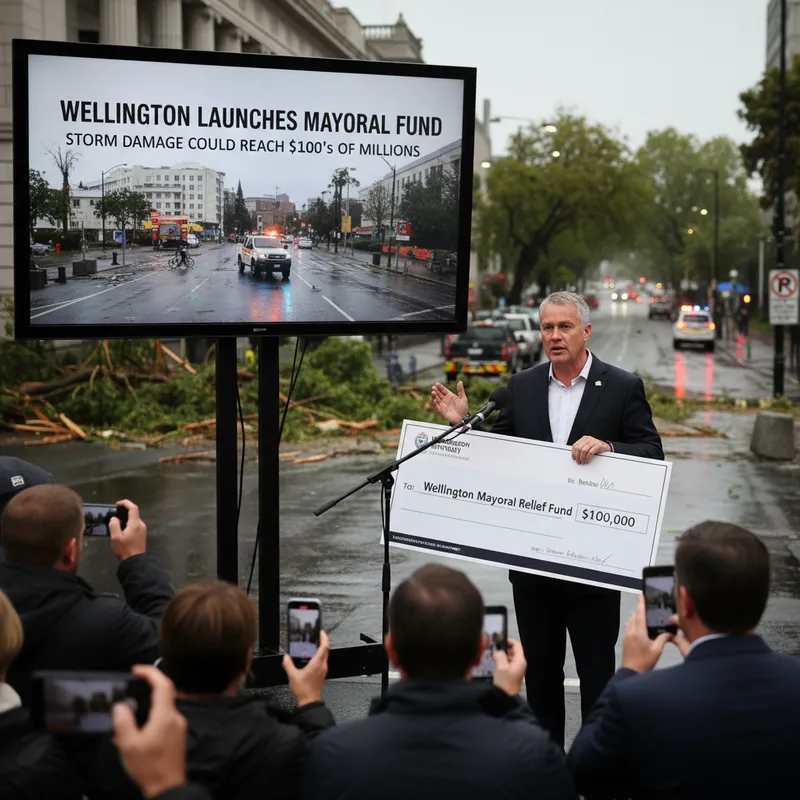
Wellington Mayor Andrew Little has launched a $100,000 Mayoral Relief Fund to support residents devastated by this week’s severe flooding, warning the total cost of the damage could run into the hundreds of millions of dollars.
The fund, established in partnership with the Wellington City Mission, is designed to provide rapid financial assistance to those who have lost their homes and belongings in the deluge. The announcement comes as the city begins to grapple with the immense scale of the destruction following Monday's torrential rain, which caused widespread flooding and landslides across Wellington’s southern suburbs.
Mayor Little said that while the full extent of the damage is still being assessed, initial estimates are staggering. "As the extent of the effects on residents and damage to property have become clearer, it is clear that many residents need financial support to help them," he said. He confirmed dozens of homes are believed to be badly damaged, though the exact number of displaced residents remains unknown.
In response to the crisis, the mayor is urging Wellingtonians who are in a position to help to contribute to the fund. "Our fellow Wellingtonians - our neighbours - need our support. Every little bit helps families in need," Little said. "I'm encouraging everybody, who is able to, to give support through the Mayoral Relief Fund."
Horrific stories emerge from floodwaters
The human cost of the disaster is becoming painfully apparent. Wellington City Missioner Murray Edridge spoke of the harrowing experiences faced by residents, saying he has "seen and heard some horrific stories about peoples' lives".
My encouragement to Wellingtonians is, as you have done time and time again, show your generosity, look after your neighbours, contribute to this fund and enable us to do the work we need to do in the days ahead.
The City Mission is already working directly with nearly 40 families, providing them with essential support and helping to secure temporary accommodation. Mr Edridge anticipates this number will grow as more people come forward seeking assistance in the coming days. "It could take a long time for those badly affected to get back on their feet," he warned.
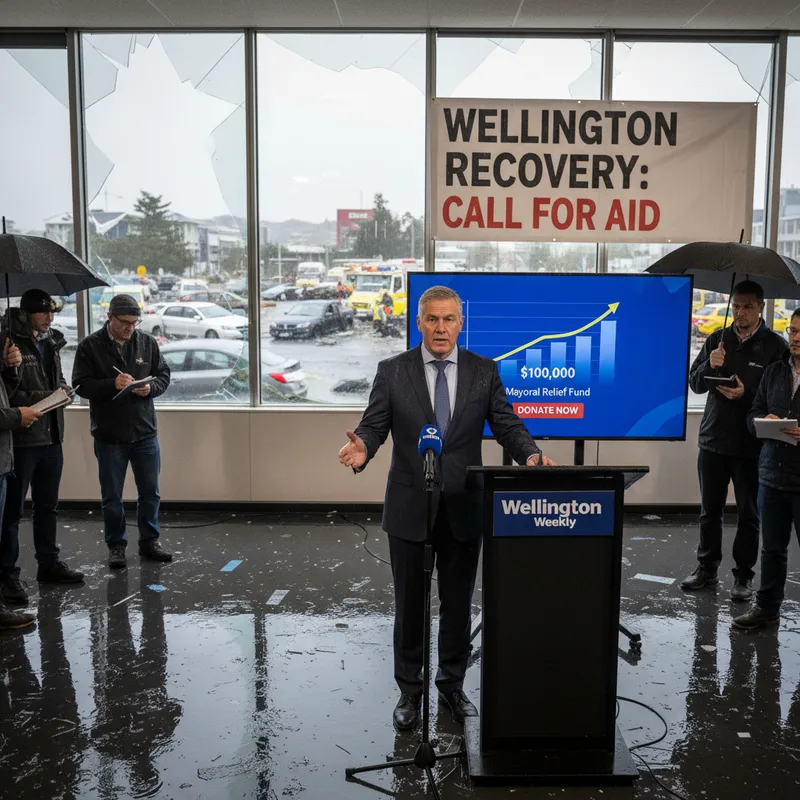
The relief effort is reminiscent of the community response following the Loafers Lodge fire in May 2023. The new Mayoral Relief Fund will operate on a similar model, with the Wellington City Mission managing the distribution of funds directly to those impacted by the floods. The Mission has committed to providing regular public updates on the funds received and how they are being spent, ensuring transparency in the relief process.
Community called to action
Beyond financial contributions, the City Mission is also appealing for donations of good-quality furniture, household goods, and appliances. Many families have lost everything and will need to completely rebuild their homes. These donations will be collected and distributed to those most in need.
Donated items can be dropped off at the Mission's Whakamaru facility at 4 Oxford Terrace, Mount Cook. However, Mr Edridge noted that, "unfortunately, the Mission is not in a position to pick them up," so donors will need to arrange their own transport.
The storm's impact has also hit critical city infrastructure. The southern landfill remains closed to the public for general waste disposal after being affected by the weather. Mayor Little said the situation at the landfill was "looking okay" and that he hoped to announce its reopening for public access within the next day or two. Further information regarding the disposal of flood-damaged materials and debris is also expected from the council shortly. In the meantime, the tip is accepting commercial waste. The situation is a sobering reminder of infrastructure challenges, such as those seen with the NGV Contemporary project where NGV Contemporary cost heads towards $2bn amid call for donors.
A city confronting its vulnerability
The severe weather event has once again highlighted the challenges facing the capital, adding to ongoing concerns about ageing infrastructure and climate resilience. The devastating effects of this "ordinary" storm serve as a stark reminder of the city's vulnerability to extreme weather patterns, a topic of increasing urgency as New Zealand confronts more frequent and intense storms.
This latest disaster follows a pattern of damaging weather events that have left residents and officials grappling with how to better prepare for the future. As the cleanup begins, the focus is not only on the immediate recovery but also on the long-term questions about how Wellington can adapt to a wilder, warmer climate and ensure its infrastructure can withstand the inevitable shocks to come.
The recovery process will be long and challenging, but Mr Edridge expressed confidence in the city's spirit. "Wellington has a reputation for extraordinary generosity to support those in the community who are in trouble," he said. "Our hearts have gone out to those impacted by this week's floods and I am sure we will stand behind them in this recovery phase."